 |
 |
|
Tooling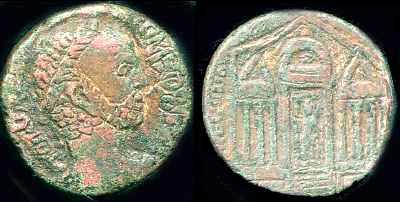
Tooling is engraving or smoothing a coin attempting to add or change details, or remove corrosion or damage, in a way that goes beyond simple cleaning. Gold or silver coins are rarely tooled and they usually turn into a mess, but tooling of bronze coins is very common and will be the focus of this page.
Most tooled coins are genuine and it is the modifications that are false. There can be a fine line between tooling and acceptable cleaning and not everyone agrees where to draw it. I personally feel removal of encrustations to expose details actually present on a coin is fine. Carving encrustation or into the coins surface to create details not actually present is not. This includes details that may have once been present but are missing due to wear, poor strike or corrosion A grey area exists when a thick patina masks or mutes details which can be exposed by carefully thinning the patina. If the patina is a buildup it is actually an encrustation and removing it should be acceptable. True patina is mineralization of the surface of the coin so removing it is removing part of the coin and should not be acceptable. It is sometimes difficult to tell where encrustations end and patina begins. Improving GradesOnce encrustations are removed exposing the patina, most coins are as close to their natural look as possible. The patina usually follows the original contours of the designs remained on the coin. 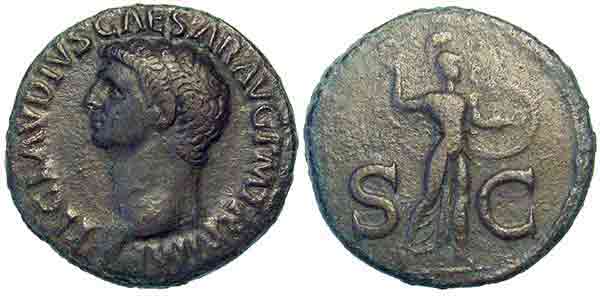
The obverse inscription and entire reverse of this Claudius As show considerable wear and one would expect very little hair detail to remain on the high point of the bust, yet there is considerably hair present. 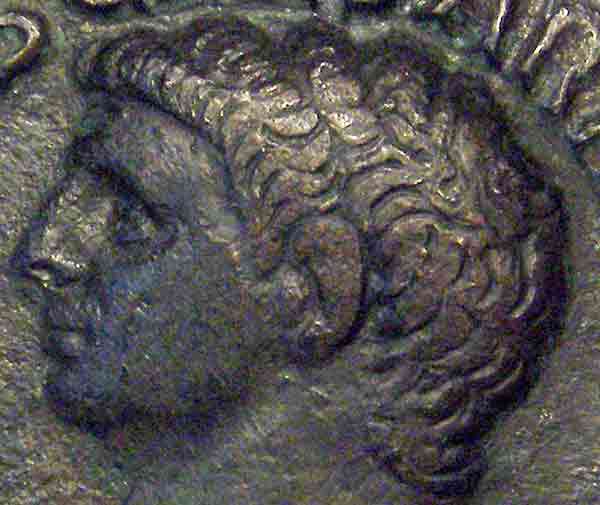
The hair lines immediately above the forehead and at the back of the neck appear normal but those across most of the head appear much sharper and slightly cruder than one would expect if any remained at all. These sharp hair lines result from tooling by a relatively accomplished engraver who had replaced details probably worn off this coin before burial, and he has done a very good job if applying an artificial patina to mask his work. Many collectors might not notice what has been done. 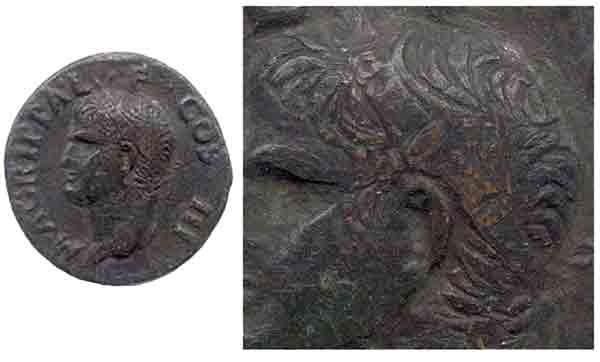
This Agrippa bronze was also probably worn relatively smooth at the high point of the head and someone has tooled details of the hair and rostral crown. Note the very deep line that forms the base of the crown and how that line follows the curve of the ear in a rather unnatural way. The quality of engraving is not as well done as on the Claudius but the artificial patina hiding tooling marks was very well done. SmoothingSmoothing is a form of tooling where the patina or the actual metal below the patina has been carved, scraped or other wises ground down to remove rough areas, corrosion, scratches or anything else detracting from the coin's look. Until about the 1970's "smoothing" was highly frowned upon. Most collectors avoided preferred original patina with all its imperfections, and avoided smoothed coins. Smoothing has become more widely accepted with professional smoothing now considered a normal part of cleaning. If the coins look good they can bring premium prices. Only aggressive smoothing that leaves obvious marks, or that removes much or all of the patina exposing or removing metal below the patina, it is now seen as a major problem. 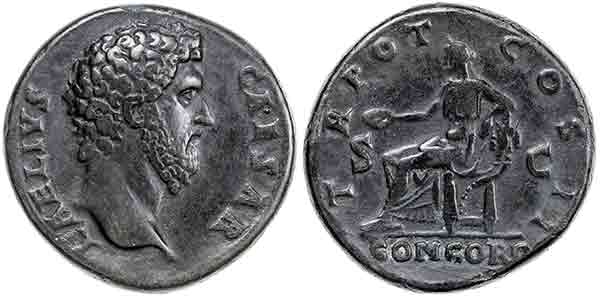
This Aelius sestertius is a genuine coin smoothed over every possible surface. It does not appear any details were created but heavy patina was thinned around many letters and they are thicker than expected. The patina is far too even so probably artificial suggesting the smoothing probably went through to bare metal in places. This makes the coin look a little odd. Remember that this coin is genuine, just heavily smoothed so a collector who cannot afford a more natural looking specimen with these details might still want it at the right price. What would be fraud is selling it without full disclosure. Changing DesignsThe boundary between tooling and cleaning is not vague if a common genuine coin is heavily tooled, changing the design from an inexpensive type to a more expensive one. Tooling common Vespasian sestertii to look like Judaea Capta types is fairly common. Some had their reverse ground off with an entirely new one carved. Others had their reverse built up with resin and then tooled. Such coins are seldom even close to the correct style expected of a genuine Judaea Capta but I have seen them sold that way. I don't have an example of one to illustrate at this time. 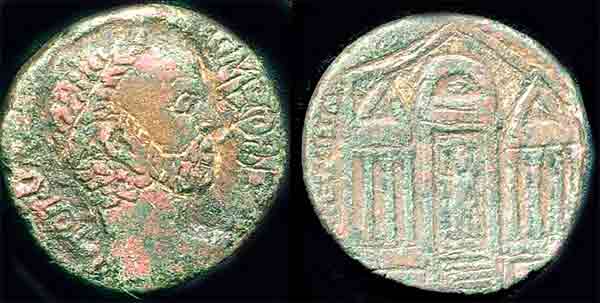
Heather Howard provided this image and calls it "MR. TOOLEY". It appears to have started as a genuine coin and I suspect the Emperor's neck and cheek might even be part of the original design. A heavy patina has been so tooled that probably no other parts of the original design are visible. I consider this coin to now be nothing less than a fake and probably one of the worst tooling jobs you may ever see. Not all tooling is this obvious. Expertly tooled coins can be difficult to spot so it never hurts to examine any coin under magnification for evidence of tooling. Forgery Touch-up WorkForgers sometimes tool fakes to remove casting seams, casting bubbles, areas of rough cast surface and to create details the casting failed to replicate. If done well this can make a fake more difficult to spot. More often they make a real mess of the coin. 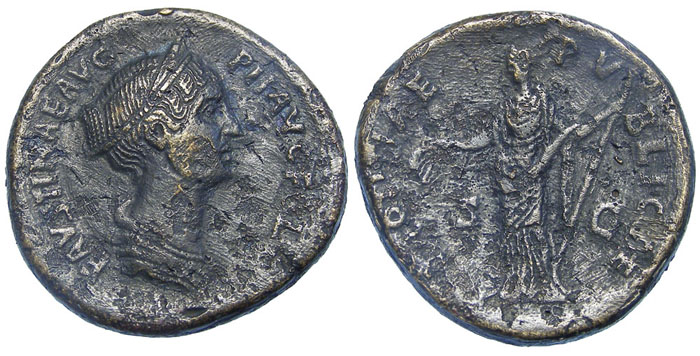
This Faustina Jr. sestertius has it all. It was lost wax cast, molded from a genuine sestertius. The casting quality was poor, leaving a textured surface with many pits. Many finer details were not reproduced. As we see it now nearly all hair details and much clothing on the reverse were added through tooling. Fields and other open areas were scraped to smooth rough casting. Some obverse lettering was strengthened. The goal appears to be making a badly cast fake look like badly cleaned original, but they just made a mess. There are no perfect fakes from tooling
Next page: STRUCK FAKES Copyright © 2016 R & T Enterprises Ltd. |
 |
 |